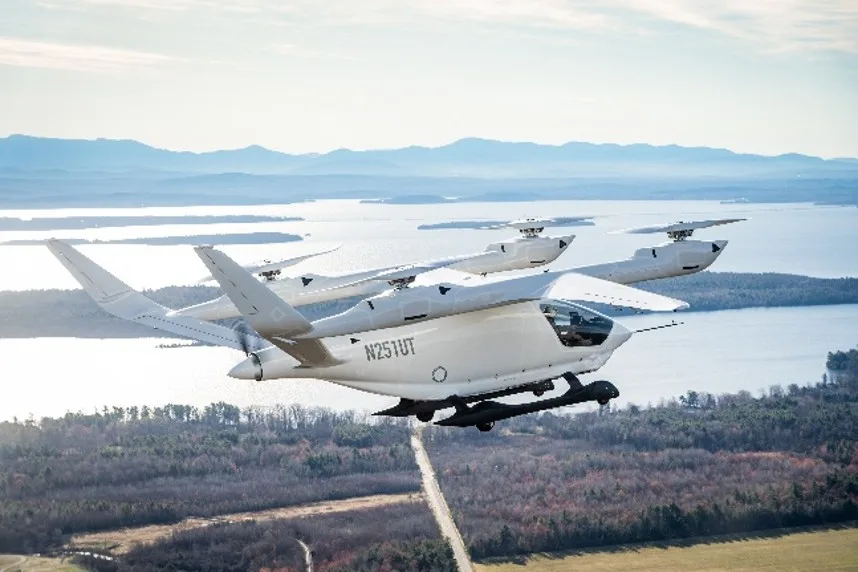
A new industry discussion on the future of UK regional aviation has underlined the growing importance of innovation-led projects such as Future Air South West, an Innovate UK Future Flight Regional Demonstrator, in addressing the structural challenges facing remote and rural connectivity.
Speaking at the British Business and General Aviation Association (BBGA) AGM in London, aviation leaders explored how a blended model of business aviation, regional airline networks and emerging aircraft technologies could help rebuild the UK’s shrinking regional air transport system. Their reflections come at a time when several regional carriers have collapsed, aircraft availability is tightening, and communities across the UK are struggling to maintain reliable air links.
Regional connectivity under pressure
The discussion highlighted a series of pressures on the UK’s regional aviation ecosystem:
Against this backdrop, speakers emphasised that regional aviation remains essential for economic participation, social mobility and access to services, particularly in rural and island communities where rail or road alternatives are limited or higher‑emission than assumed.
Future Air South West: a model for innovation‑led regional mobility
The article referenced the Future Air South West feasibility study, which explored how future flight technologies could transform connectivity across Somerset, Devon and the Isles of Scilly. Running from September 2025 to March 2026, the study examined how new aircraft types, improved weather resilience, and integrated multimodal transport could support more reliable and lower‑carbon regional mobility.
As an Innovate UK Future Flight Regional Demonstrator funded project, Future Air South West is designed to:
The BBGA discussion reinforces the national relevance of this work. As operators face rising commercial pressures and infrastructure gaps widen, the South West’s demonstrator is helping shape practical, scalable solutions that could be replicated across the UK.
A more integrated future for regional air mobility
Panellists at the BBGA AGM predicted that the future of regional aviation will be integrated, multimodal and technology‑enabled. Business aviation, regional airlines and new aircraft technologies will increasingly operate as a connected ecosystem rather than separate sectors.
This aligns closely with the Future Air South West vision: a region where communities, whether coastal, rural or island, can access reliable, low‑carbon air mobility that complements rail, bus and active travel networks.
Why this matters for the South West
The South West is one of the UK regions most exposed to the challenges highlighted in the national debate:
By advancing new models of regional air mobility, Future Air South West is helping ensure that the region is not only part of the national conversation but actively shaping the UK’s aviation future.

By Corinne Matthews, Industrial Sectors Specialist, Somerset Council How Dronetech is Reshaping Inspections, Innovation and Industrial Growth Local authorities and social housing providers across the UK […]

The South West Future Flight Innovation Zone hosted a Drone Ecosystem Engagement Workshop on Friday 23rd, bringing together manufacturers, service providers, users, and sector specialists […]
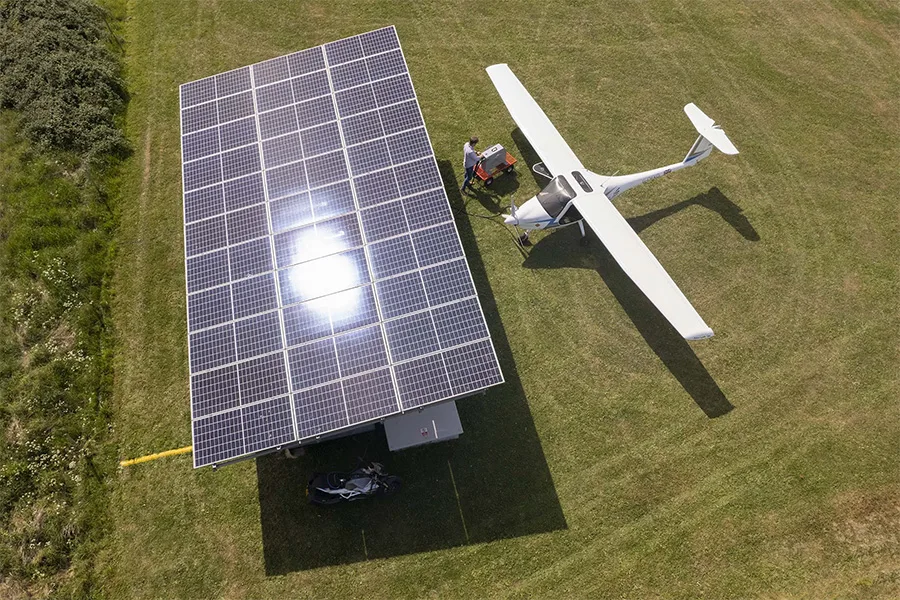
The story of how we captured data for Plymouth community Homes (PCH) and NHS Exeter. Purpose of the day; to educate, enthuse and inspire a […]

Are you interested in finding international partners to collaborate with? Working with our overseas networks, we have access to a wide range of commercial and […]

Somerset Council’s Future Flight Innovation Zone (FFIZ) will be representing the South West at this year’s Farnborough International Airshow, joining the UK Pavilion on Stand […]

SWFFIZ welcomes the news that the Innovate UK Future Flight Programme is to receive over £20M to support the Governments ambition of creating an advanced […]

The Department for Transport and the Civil Aviation Authority have relaunched the Future of Flight newsletter as a joint publication, reflecting the rapid progress and […]

The South West Future Flight Innovation Zone (SWFFIZ) is proud to offer targeted support to companies developing future flight technologies, through a call-off contract with […]
The South West has taken a significant step toward delivering the fuels and energy systems required for the next era of clean aviation. Bristol Airport […]
Drone technology has huge potential to transform ways of working for a wide range of businesses and organisations, from construction and housing to the media, […]

Somerset Council is flying high after being awarded funding from Innovate UK to help bring forward a project that could transform disaster response and environmental […]
UK Defence Innovation Opens New Doors for Drone Technology The UK’s defence landscape is undergoing rapid transformation, and for South West innovators working with drones, […]
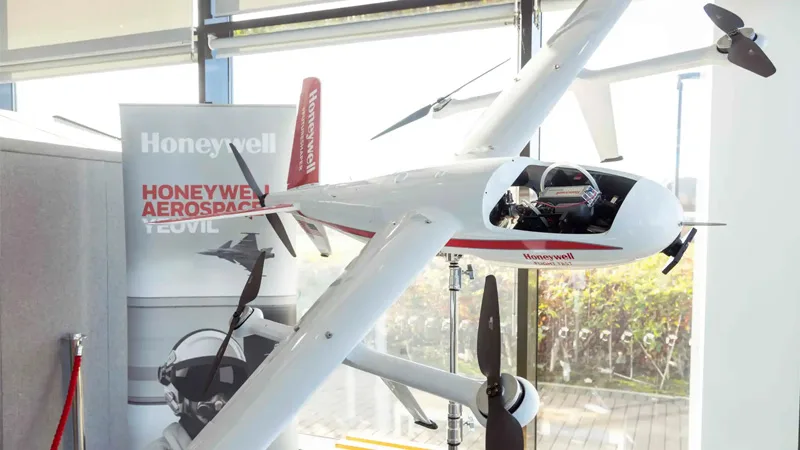
The event attracted an extensive range of Drone Operators, Drone Businesses and supporting Organisations from ARPAS-UK, NATS, the CAA, CPC, Academia, Local Authorities,Skills providers and […]

Ready to shape the future of aerospace sustainability? SW FFIZ will be participating in at the Sustainable Skies World Summit, Corinne Matthews will be speaking […]

SW FFIZ will be exhibiting at the WEAF Annual Conference on 30th April at Weston-Super-Mare. The Conference provides lots of opportunities to connect and collaborate […]

Yeovil College has taken a major step in supporting the region’s transition to clean energy with the launch of its new Hydrogen Lab (YC H2 […]