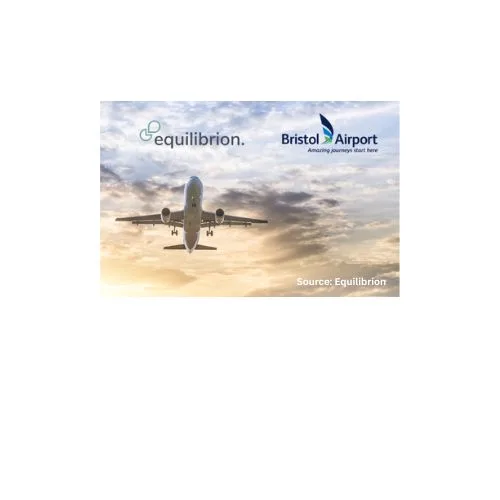
The South West has taken a significant step toward delivering the fuels and energy systems required for the next era of clean aviation. Bristol Airport and Equilibrion, supported by Q8Aviation and Exolum, have completed a feasibility study demonstrating how nuclear‑derived Sustainable Aviation Fuel (SAF) and hydrogen could be produced at scale in the region using Small Modular Reactor (SMR) technology.
The findings outline a credible, technically robust pathway for co-located production, storage, and distribution of low‑carbon fuels that can support both conventional aviation and emerging future‑flight platforms. For the South West Future Flight Innovation Zone, this work strengthens a core principle: future flight requires future fuels, and the region is uniquely positioned to lead the UK in delivering them.
A New Energy Architecture for Aviation
The feasibility study explores how SMRs could provide the high‑temperature heat and reliable baseload power needed for advanced fuel production processes, including:
By generating energy close to the point of use, the model reduces transmission losses, improves energy security, and enables a more resilient fuel supply chain for aviation.
The study indicates that this approach could reduce Bristol Airport’s flight emissions by 29% by 2035, while supporting ground operations with clean hydrogen and electricity.
Eq.flight: A Scalable Model for Clean Aviation Fuels
The work forms part of Equilibrion’s Eq.flight programme, which has also received support from the UK Department for Transport. Eq.flight aims to create a long‑term, low‑carbon fuel solution that can scale with aviation demand and integrate with future‑flight technologies.
Key features of the Eq.flight model include:
For airports, OEMs, and energy system integrators, the model offers a pathway to decarbonisation that does not rely solely on imported fuels or uncertain global supply chains.
Why the South West Is Positioned to Lead
The South West combines several strategic advantages that make it an ideal location for nuclear‑derived aviation fuels:
This convergence of assets creates a unique environment where energy innovation, aviation decarbonisation, and future‑flight technologies can be developed and demonstrated together.
Implications for Future Flight
As the UK moves toward advanced air mobility, drone logistics, and hybrid‑electric aircraft, the demand for clean, scalable energy sources will grow rapidly. The integration of SMR‑powered SAF and hydrogen production offers several system‑level benefits:
For the South West Future Flight Innovation Zone, this work reinforces the region’s role as a national leader in clean aviation energy systems and integrated future‑flight solutions.
A Platform for Collaboration
The feasibility study also highlights the importance of cross‑sector collaboration. Bristol Airport’s Airport Carbon Transition (ACT) Programme funded the work to accelerate decarbonisation technologies, while partners across nuclear, aviation, and fuel logistics contributed expertise.
This collaborative model mirrors the approach of the Future Flight Innovation Zone: bringing together industry, academia, and government to unlock the technologies that will define the next generation of flight

By Corinne Matthews, Industrial Sectors Specialist, Somerset Council How Dronetech is Reshaping Inspections, Innovation and Industrial Growth Local authorities and social housing providers across the UK […]

The South West Future Flight Innovation Zone hosted a Drone Ecosystem Engagement Workshop on Friday 23rd, bringing together manufacturers, service providers, users, and sector specialists […]
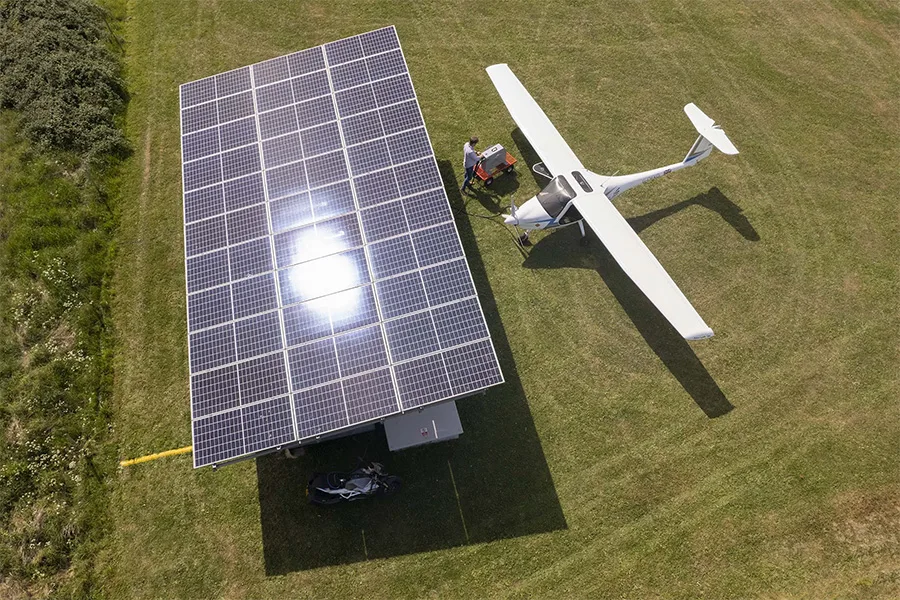
The story of how we captured data for Plymouth community Homes (PCH) and NHS Exeter. Purpose of the day; to educate, enthuse and inspire a […]

Are you interested in finding international partners to collaborate with? Working with our overseas networks, we have access to a wide range of commercial and […]
Somerset Council’s Future Flight Innovation Zone (FFIZ) will be representing the South West at this year’s Farnborough International Airshow, joining the UK Pavilion on Stand […]

SWFFIZ welcomes the news that the Innovate UK Future Flight Programme is to receive over £20M to support the Governments ambition of creating an advanced […]
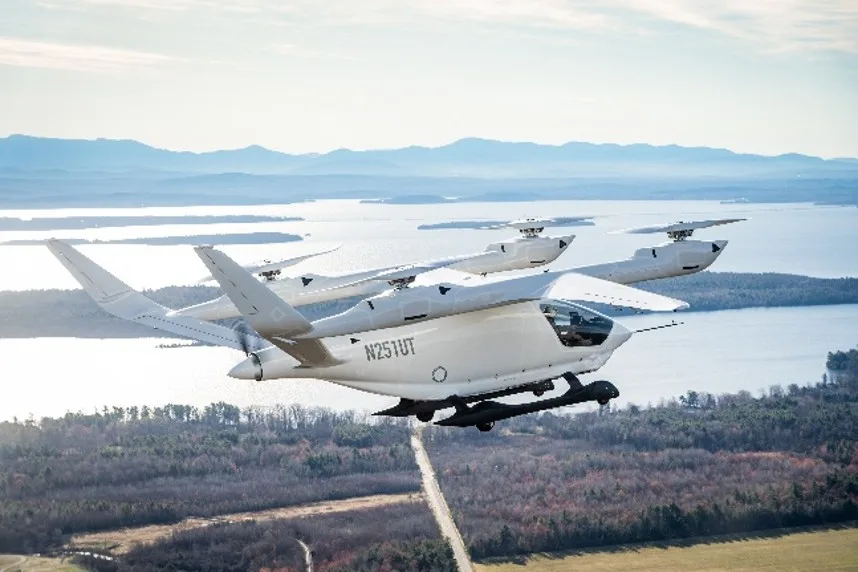
A new industry discussion on the future of UK regional aviation has underlined the growing importance of innovation-led projects such as Future Air South West, […]
The Department for Transport and the Civil Aviation Authority have relaunched the Future of Flight newsletter as a joint publication, reflecting the rapid progress and […]

The South West Future Flight Innovation Zone (SWFFIZ) is proud to offer targeted support to companies developing future flight technologies, through a call-off contract with […]
Drone technology has huge potential to transform ways of working for a wide range of businesses and organisations, from construction and housing to the media, […]

Somerset Council is flying high after being awarded funding from Innovate UK to help bring forward a project that could transform disaster response and environmental […]
UK Defence Innovation Opens New Doors for Drone Technology The UK’s defence landscape is undergoing rapid transformation, and for South West innovators working with drones, […]
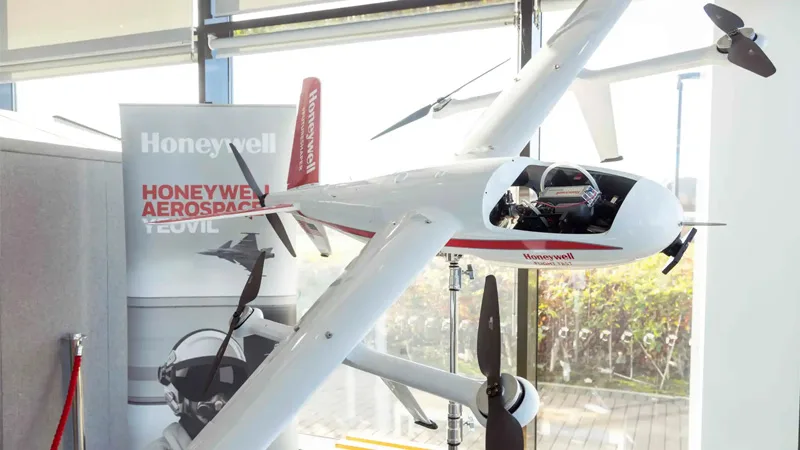
The event attracted an extensive range of Drone Operators, Drone Businesses and supporting Organisations from ARPAS-UK, NATS, the CAA, CPC, Academia, Local Authorities,Skills providers and […]

Ready to shape the future of aerospace sustainability? SW FFIZ will be participating in at the Sustainable Skies World Summit, Corinne Matthews will be speaking […]

SW FFIZ will be exhibiting at the WEAF Annual Conference on 30th April at Weston-Super-Mare. The Conference provides lots of opportunities to connect and collaborate […]

Yeovil College has taken a major step in supporting the region’s transition to clean energy with the launch of its new Hydrogen Lab (YC H2 […]